Quick answer
- Salicylic acid suits blackheads and whiteheads, benzoyl peroxide suits mild inflamed pimples, and adapalene covers both comedones and pimples.
- The AAD recommends starting benzoyl peroxide at 2.5 percent, since higher strengths are more likely to cause dryness, irritation or burning.
- In FDA tests of 95 benzoyl peroxide products, more than 90 percent had undetectable or extremely low benzene levels, and the FDA did not advise people to stop using it.
In this post
Walk down any pharmacy aisle and most acne products rely on one of three active ingredients: benzoyl peroxide, salicylic acid or adapalene. They are often treated as interchangeable, but they act on acne in different ways and suit different kinds of breakouts. Here is how they compare, how to use them without overdoing it, and what regulators found when questions were raised about benzene in benzoyl peroxide products.
The short version
| Benzoyl peroxide | Salicylic acid | Adapalene | |
|---|---|---|---|
| What it is | Antiseptic and oxidizing agent | Keratolytic (softens and loosens dead skin) | Retinoid |
| Best suited to | Mild inflamed pimples | Blackheads and whiteheads | Blackheads, whiteheads and pimples |
| Common strengths | 2.5%, 5% and 10% | Low strengths in acne washes and lotions | 0.1% gel without a prescription |
| Main side effects | Dryness, irritation, bleached fabric | Mild stinging | Redness, scaling, dryness, sun sensitivity |
| How to start | 2.5%, every second night, then build up | As directed on the label | Once daily at bedtime |
Benzoyl peroxide
How it works
DermNet describes three actions. Benzoyl peroxide is an antiseptic that reduces bacteria and yeasts on the skin. It is an oxidizing agent that helps break down comedones. It also has an anti-inflammatory effect. An important point in its favor: bacteria do not become resistant to it, and DermNet notes it can even reduce resistance that develops during antibiotic treatment. That is why it is often paired with topical or oral antibiotics.
The American Academy of Dermatology (AAD) says benzoyl peroxide is especially effective for mild pimples.
Strength and irritation
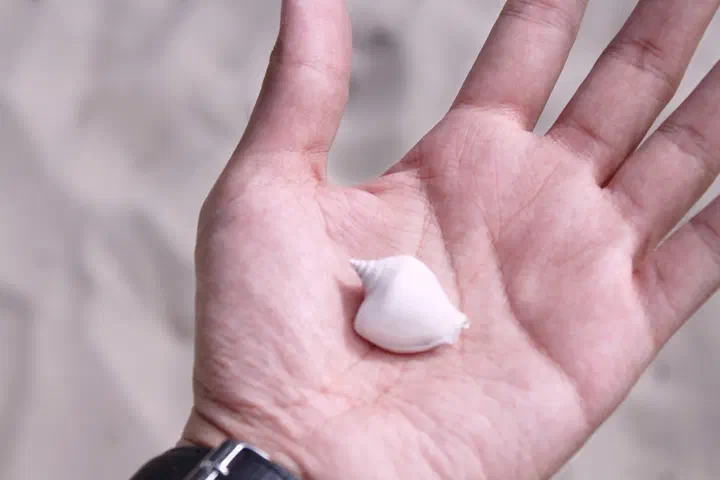
Products range up to 10 percent, but the AAD recommends starting with 2.5 percent, since higher strengths are more likely to cause dryness, irritation or burning. DermNet suggests applying a thin layer every second night at first, then increasing to once or twice daily as your skin tolerates it. A light, non-oily moisturizer can help with dryness. If irritation persists, use it less often or stop.
One practical warning: benzoyl peroxide bleaches fabric. DermNet advises letting it dry completely before skin touches clothes, towels or bedding, and notes that cotton and linen stain more readily than polyester or fleece.
Salicylic acid
How it works
Salicylic acid is a keratolytic. DermNet explains that it softens keratin so dead skin loosens and sheds more easily, and in acne it slows the shedding of cells lining the follicle, which helps prevent clogging and breaks down existing blackheads and whiteheads. The AAD says it works best on whiteheads and blackheads.
Irritation and safety
It is usually well tolerated, although mild stinging can occur, especially on broken skin. DermNet notes that misuse, such as applying it more often or for longer than directed, increases absorption through the skin and the rare risk of salicylate poisoning. Products are generally not used in children under two, and pregnant or breastfeeding users should check with a doctor first because salicylic acid can be absorbed through the skin.
Adapalene
How it works
Adapalene is a retinoid, a vitamin A derivative. An FDA update notes that topical retinoids appear to modulate how skin cells mature in the follicle, reducing the tiny blockages that become comedones, and seem to have anti-inflammatory effects. Topical retinoids are often prescribed as first-line acne therapy.
In 2016 the FDA approved adapalene 0.1% gel for over-the-counter use in people aged 12 and older. It was the first retinoid made available without a prescription for acne, and the first new non-prescription acne active ingredient since the 1980s.
Irritation and safety
DermNet describes adapalene as the least irritating topical retinoid. The FDA lists redness, scaling, dryness, itching, burning or stinging, and sun sensitivity as common reactions. DermNet recommends applying it once daily at bedtime, keeping it away from the eyes and lips, and using daily sunscreen and moisturizer. Patience matters: DermNet notes it may take 12 weeks or longer to see improvement.
On pregnancy, the FDA and its advisory committee found no evidence that the over-the-counter gel causes birth defects, given its limited absorption, but still advise those who are pregnant, planning pregnancy or breastfeeding to ask a doctor before use.
Choosing and combining them
Start with one. The AAD advises choosing a single product with an active ingredient that targets your type of acne, then using it for six to eight weeks without adding or switching. Apply a thin layer to the whole acne-prone area, not only to visible spots. The AAD says to expect fewer breakouts in 4 to 8 weeks and clearing at around 16 weeks.
Match the ingredient to the breakout. Based on the AAD guidance, salicylic acid suits blackheads and whiteheads, benzoyl peroxide suits mild inflamed pimples, and adapalene covers both comedones and pimples.
Be careful when layering. Benzoyl peroxide and adapalene are combined in some prescription products, and DermNet notes benzoyl peroxide works well alongside other acne treatments. Salicylic acid is different: DermNet’s guidance is to avoid using it together with other medicated topicals, including benzoyl peroxide and topical retinoids, unless a doctor directs it. Stacking several actives without guidance is a common route to irritated skin.
Know when to stop self-treating. The AAD recommends seeing a dermatologist if acne is deep, painful or scarring, if it has not cleared after several weeks to a few months, if dark spots remain after it clears, or if you are pregnant or planning a pregnancy.
The benzene question
Benzene is not an ingredient in acne products. The AAD explains that benzoyl peroxide can break down into benzene, especially when products are exposed to high heat or stored for a long time.
What the FDA actually found
After receiving third-party test results that raised concerns, the FDA ran its own tests. In a statement dated March 11, 2025, the agency reported:
- It tested 95 acne products containing benzoyl peroxide.
- More than 90 percent had undetectable or extremely low benzene levels.
- Six products had elevated levels and were voluntarily recalled. A seventh was recalled after its manufacturer’s own testing.
- Its results showed fewer contaminated products than the third-party findings.
- The recalls were at the retail level, meaning stores were asked to remove products, and consumers were not told to take specific action.
- The cancer risk from benzene in these products is very low, even with daily use over decades.
The FDA did not advise people to stop using benzoyl peroxide. It did suggest checking products and discarding any past their expiration date.
Practical steps
The AAD’s advice for people who use benzoyl peroxide:
- Store products as the package directs, generally at room temperature or cooler.
- Replace benzoyl peroxide products every 10 to 12 weeks.
- Discard products exposed to temperatures above 78°F.
DermNet adds that benzene has not been detected in users’ blood, and suggests discarding products that have been open for a long time and keeping caps tightly closed. If you would rather avoid benzoyl peroxide, the AAD suggests discussing alternatives such as adapalene, salicylic acid or azelaic acid with a dermatologist.
Sources
- Adult acne treatment dermatologists recommendAmerican Academy of Dermatology
- FAQs: Benzene in acne products containing benzoyl peroxideAmerican Academy of Dermatology
- Limited number of voluntary recalls initiated after FDA testing of acne products for benzene; findings show a small number of products with elevated levels of benzene contaminationU.S. Food and Drug Administration
- Topical retinoid acne treatment approved for OTC useU.S. Food and Drug Administration (via AAP News)
- Benzoyl peroxideDermNet
- Salicylic acidDermNet
- Topical retinoidsDermNet
Filed under skincare actives